
Catégorie : Journalisme

  • Technicalité

    Technicalité

    Deux hommes en or et Rosalie S13 – ÉPISODES 7, 6 et 5

    Rapport, pas rapport

    J’entreprends l’écoute en remontant dans le temps, avec l’idée d’une chronique en tête. Porté par les paroles et l’émotion, j’écris le texte ci-dessous. L’écriture terminée, j’entame un dernier épisode: le 5.

    Dans Deux hommes en or, on parle du film Deux femmes en or. Justement, je l’ai visionné il y a quelques jours. C’est particulier, car j’étais trop petit pour voir la version originale avec Gilles Latulippe. Mon père m’avait dit que ce n’était pas de mon âge. Comme ils étaient amis, je savais qu’il ne s’agissait pas de morale, mais qu’il voulait simplement me punir… Bref, ce film possède pour moi une dimension unique.

    Chronique du voyage intérieur: Technicalité

    Ma vie est un théâtre, une pièce de théâtre.

    Ma mère aurait été comédienne. Un souvenir d’elle à la télévision, animant une émission pour enfants. Je me demande pourquoi elle ne s’occupait pas de moi de cette façon.

    Mon père, gérant du Théâtre des Variétés. Des personnes que je vois parler à mon père se retrouvent sur scène et à la télévision. Grandir dans ce bâtiment, y travailler, y voir mon père y laisser sa vie. C’est banal, vu de l’intérieur.

    C’est banal, mais cela instaure un modèle en soi. Certains diront que j’ai une personnalité théâtrale: un trouble de la personnalité. Pour autant, je vis bien avec cet aspect. Quant à moi, il ne s’agit pas d’un trouble, mais simplement d’un trait de ma personnalité. Le diagnostic vient de quelqu’un qui a vécu loin du théâtre et du cinéma ; ma réalité d’enfance lui échappe. Le hic est de m’être investi dans autre chose que la créativité. Plus jeune, j’ai plutôt opté pour l’armée. Un autre aspect de moi, plus en résonance avec la structure de mon esprit autistique. Dans une chronique, je disais avoir un esprit militaire. Deux aspects contradictoires, un déchirement.

    Ici et là, j’ai raconté me voir comme un laboratoire pour expérimenter la vie ou j’ai révélé des traumatismes. Peut-être ai-je mentionné avoir un syndrome de stress post-traumatique. Plutôt que de voir ce mal comme une maladie mentale, je me représente la chose telle une empreinte incrustée dans mon esprit. Il y a une ressemblance entre l’impact du théâtre et l’impact de l’agression aux couteaux (trois garçons, trois lames) ou de l’accident d’auto. Ces empreintes sont réelles et elles conduisent à des déchirements.

    Après avoir transformé mon blogue en journal, je réalise que mon index n’a pas suivi. Tout à l’envers — l’aspect théâtral — je me résous à revenir au blogue. Un détail. En changeant « Blogue » pour « Journal » dans mon menu, l’interface modifie également le nom du lien hypertexte. Rien à faire. L’interface de programmation simplifiée n’offre pas la possibilité de seulement changer le mot. C’est bête, hein? La facilité se fait au détriment d’une flexibilité.

    J’affirmais que la fake pyramide était indestructible, mais cela s’est aussi fait au détriment d’une flexibilité. Pour fonctionner et garder ses privilèges, chaque membre de cette pyramide doit obligatoirement agir de mauvaise foi. Au mieux ou au pire, on se colle à la bonne foi tout en faisant une petite différence engendrant l’échec voulu.

    Je me sens émergé. Ma thèse verbalisée, écrite et publiée. Des années de travail. Un appartement luxueux. Le blogue devient le Journal L’Extraterrestre, administré par ma maison d’édition que je m’étais entêté à ne pas fermer définitivement. Je suis sur mon élan. Mais voilà : au fil des ans, de mon immersion dans la fake pyramide, des blessures ont été infligées par des jugements de valeur, essentiellement parce que j’étais autiste. Je me libère tout en ayant cet héritage à porter. Ce regard, il est intégré. Mon réflexe: l’attente de la trahison, de l’échec.

    Tout cela forme un système en moi. Devant l’obstacle, je suis théâtral. Je réagis fortement. Autiste, personne ne sait à quel détail je réagis. « C’est un fou! » Le moment parfait pour me trahir, pour me blesser. La détresse m’habite. Aucun appui pour expliquer ma réaction, rien pour contredire la folie. Démuni, j’ai tout de l’idiot.

    J’ai remis l’ancien mot dans le menu: Blogue. En dessous: Journal L’Extraterrestre. C’est le mieux que je puisse faire pour l’instant. Il est préférable de réparer trois ou quatre liens que de refaire mon index et vérifier toutes les chroniques afin d’ajuster les liens dans celles-ci. Blogue, l’héritage de mon journal.

    MAJ 12 mars 2026


    Technicality

    Related or Not

    I begin my listening journey by going back in time, with the idea of a column in mind. Carried by the words and the emotion, I write the text below. Writing finished, I start one last episode: number 5.

    On Deux hommes en or, they are discussing the film Deux femmes en or. Funnily enough, I watched it just a few days ago. It’s a peculiar feeling, as I was too young to see the original version featuring Gilles Latulippe. My father told me it wasn’t for my age. Since they were friends, I knew it wasn’t about morality; he simply wanted to punish me… In short, this film holds a unique dimension for me.

    Chronicles of an Inner Journey: Technicality

    My life is a theater, a play.

    My mother would have been an actress. I have a memory of her on television, hosting a children’s show. I wonder why she didn’t care for me in that same way.

    My father, manager of the Théâtre des Variétés. People I see talking to my father end up on stage and on screen. Growing up in that building, working there, seeing my father give his life to it. From the inside, it’s mundane.

    It’s mundane, but it establishes a model in itself. Some would say I have a theatrical personality: a personality disorder. Even so, I live well with this aspect. As far as I’m concerned, it isn’t a disorder, but simply a personality trait. The diagnosis comes from someone who lived far from theater and cinema; my childhood reality escapes them. The hitch was investing myself in something other than creativity. Younger, I opted for the army instead. Another aspect of myself, one more in resonance with the structure of my autistic mind. In a column, I once said I had a military mind. Two contradictory aspects, a tearing apart.

    Here and there, I’ve described myself as a laboratory for experimenting with life, or I’ve revealed traumas. Perhaps I mentioned having PTSD. Rather than seeing this affliction as a mental illness, I picture it as an imprint embedded in my mind. There is a resemblance between the impact of theater and the impact of the knife attack (three boys, three blades) or the car accident. These imprints are real, and they lead to these internal ruptures.

    After transforming my blog into a journal, I realize my index didn’t follow suit. Everything backward—the theatrical aspect—I resolve to go back to « Blog. » A minor detail. By changing « Blog » to « Journal » in my menu, the interface also modifies the hypertext link name. Nothing to be done. The simplified programming interface doesn’t offer the possibility of only changing the word. Stupid, isn’t it? Ease comes at the expense of flexibility.

    I used to claim the « fake pyramid » was indestructible, but that too came at the expense of flexibility. To function and keep its privileges, every member of this pyramid must, by necessity, act in bad faith. At best or at worst, one clings to good faith while making a tiny difference that triggers the intended failure.

    I feel emerged. My thesis verbalized, written, and published. Years of work. A luxurious apartment. The blog becomes the Journal L’Extraterrestre, managed by my publishing house which I had stubbornly refused to close for good. I am on my momentum. But here it is: over the years, through my immersion in the fake pyramid, wounds were inflicted by value judgments, essentially because I was autistic. I am breaking free while still carrying this legacy. That gaze is internalized. My reflex: the expectation of betrayal, of failure.

    All of this forms a system within me. Faced with an obstacle, I am theatrical. I react strongly. Being autistic, no one knows which detail I am reacting to. « He’s a madman! » The perfect moment to betray me, to hurt me. Distress inhabits me. No support to explain my reaction, nothing to contradict the madness. Stripped of resources, I look every bit the fool.

    I put the old word back in the menu: Blog. Underneath: Journal L’Extraterrestre. It’s the best I can do for now. It is better to repair three or four links than to redo my entire index and check every single column just to adjust the links within them. Blog: the legacy of the journal.


  • Une bonne nouvelle

    Une bonne nouvelle

    Lien vers la publication.

    Chronique de l’ombre: Une bonne nouvelle

    Rétroactivement, je regarde cette histoire d’hypnose et de « fake » pyramide.

    L’hypnose est la seule explication pour justifier les dissociations sur commande. C’est une expérience nouvelle dans ma vie, ces coupures avec moi-même. Le GHB a été utilisé, ou son équivalent, mais le plus souvent, c’était un processus semblable à de l’hypnose. Cela correspond à mon expérience vécue.

    Je regarde le chemin parcouru et vois des indices laissés çà et là. Sur le coup, j’y voyais des blessures ou des humiliations qu’on m’avait fait subir. Puis, me voilà au bout du chemin à les regarder, ces pierres de souffrance, et je constate les avoir suivies. Elles m’indiquaient le chemin du retour!

    Chaque souffrance artificielle me forçait à creuser pour comprendre ce qu’elle imitait, ce qu’elle « fakait ». Tout était à mon image, mais toujours sous l’angle du préjugé blessant. On ne pouvait qu’y voir un monstre. Même à moi, cette image apparaissait. Pourtant, ce n’étaient que les explications qui me reflétaient cette horreur, pas le comportement décrié.

    Ce travail de fond sur moi, sur le Diable, m’a fait verbaliser mon univers. Les souffrances cachaient de belles leçons sur l’humanité. Chaque morceau prenait sa place pour finalement refléter l’unité pressentie en moi.

    L’enfant blessé occupe dorénavant une place bien concrète dans mes communications. Mon abstraction, à travers la poésie, peut trouver un reflet dans la petite vie. Sans renier mon royaume, j’approche enfin le paradis terrestre promis. J’apporte une bonne nouvelle : un plan de paix mondial, un nouvel ordre vivant.


    Link to the post.

    Shadow Chronicle: A Piece of Good News

    Retrospectively, I look back at this story of hypnosis and a « fake » pyramid.

    Hypnosis is the only explanation for these on-command dissociations—a new experience in my life, these severances from myself. GHB, or its equivalent, was used, but most often it was a process akin to hypnosis. This aligns with my lived experience.

    I look at the path traveled and see signs left here and there. At the time, I saw them as wounds or humiliations forced upon me. Yet, here I am at the end of the road, looking at these stones of suffering, and I realize I have followed them. They were showing me the way back!

    Every artificial suffering forced me to dig deeper to understand what it was imitating, what it was « faking. » Everything was in my image, yet always through the lens of a hurtful prejudice. One could only see a monster in it. Even to me, that image appeared. And yet, it was only the explanations that reflected this horror back at me, not the behavior being decried.

    This deep work on myself, on the Devil, allowed me to verbalize my universe. The sufferings hid beautiful lessons about humanity. Every piece fell into place to finally reflect the unity I felt within.

    The wounded child now occupies a very concrete place in my communications. My abstraction, through poetry, can find a reflection in the « little life. » Without disowning my kingdom, I am finally approaching the promised earthly paradise. I bring good news: a global peace plan, a new living order.

  • Un autre regard sur la menace référendaire

    Un autre regard sur la menace référendaire

    Lien vers la publication.

    Chronique de l’ombre: Un autre regard sur la menace référendaire

    Si vous êtes assez vieux pour avoir vécu le dernier référendum, vous avez passé à travers la menace référendaire. Depuis, on entend les indépendantistes parler d’un peut-être référendum. La menace a été encadrée par « les conditions favorables ». L’air de rien, voulant bien faire, les indépendantistes ont scellé le sort du Québec.

    À partir du moment où l’on sait dans quelles conditions il y en aura un, il suffit de travailler contre l’établissement de ces conditions. En mettant cela au clair, au lieu d’aider la cause, ils lui ont involontairement nui. Les conditions gagnantes deviennent des perdantes dans le prisme des opposants.

    La menace référendaire via le « peut-être » est dorénavant uniquement dans le camp des fédéralistes. On raconte des peurs. Le Québec n’a pas les moyens. Les anglophones historiques perdront leurs droits. Les immigrants seront des citoyens de deuxième classe. Des peurs sans fin. Les Américains envahiront un Québec indépendant!

    Bref, l’autre menace référendaire est celle dans laquelle le référendum devient un écran pour projeter chaque peur que l’enfant blessé en soi peut s’imaginer. Chacun et chacune est interpellé dans ses peurs les plus profondes. Un monstre sous le lit qui attend le lendemain d’un Oui gagnant. Misère.

    Voyons les choses autrement. Le Canada pourra vivre son fait anglais majoritaire partout puisque le Québec sera ailleurs, dans sa réalité unique. Une guerre de moins pour Ottawa. Une guerre qui vise, bon gré mal gré, un affaiblissement de la culture québécoise francophone. C’est implicite, systémique.

    Une culture trop forte au Canada fragilise l’ordre établi. Les droits britanniques révèlent leur biais cognitif et l’aspect domination apparaît. La constitution canadienne implique ce biais dominant, alors qu’il a été renforcé dans le rapatriement de 1982 et, étonnamment, dans la Charte des droits et libertés. Au Canada, le français est considéré minoritaire, sauf au Québec où l’on juge que le français est majoritaire. Ainsi, il perd son statut de protection de la minorité pour devenir le symbole d’un affaiblissement de l’anglais!


    Link to the post.

    Shadow Chronicle: Another Look at the Referendum Threat

    If you are old enough to have lived through the last referendum, you survived the « referendum threat. » Since then, we’ve heard sovereigntists talk about a « maybe » referendum. This threat has been framed by « favorable conditions. » Aiming to do the right thing, the sovereigntists have—without realizing it—sealed Quebec’s fate.

    The moment you define the specific conditions under which a referendum will happen, your opponents simply have to work against the establishment of those conditions. By being transparent, rather than helping the cause, they have inadvertently harmed it. In the eyes of the opposition, « winning conditions » become targets to be defeated.

    The threat of the « maybe » now belongs solely to the federalist camp. They peddle fear. Quebec can’t afford it. Historical Anglophones will lose their rights. Immigrants will be second-class citizens. Endless fears. The Americans will invade an independent Quebec!

    In short, the other referendum threat is the one where the vote becomes a screen onto which every fear that the wounded child within can imagine is projected. Every man and woman is triggered in their deepest insecurities. A monster under the bed waiting for the morning after a « Yes » victory. Misery.

    Let’s look at it differently. Canada could live out its English majority everywhere else because Quebec would be elsewhere, in its own unique reality. One less war for Ottawa. A war that aims, whether intended or not, to weaken French Quebec culture. It is implicit, systemic.

    A culture that is too strong within Canada weakens the established order. British rights reveal their cognitive bias, and the aspect of dominance appears. The Canadian Constitution carries this dominant bias, which was reinforced in the 1982 repatriation and, surprisingly, in the Charter of Rights and Freedoms. In Canada, French is considered a minority language—except in Quebec, where it is judged that French is the majority. Thus, it loses its protective status as a minority to become a symbol of the weakening of English!

  • Transformation

    Transformation

    Lien vers la publication.

    Chronique du voyage intérieur : Transformation

    J’écoutais BPM Sports et je repensais à ma relation avec cette activité.

    Peu à peu, mon point de vue a changé : d’un esprit libre « envers et contre tous », l’idée de pratiquer un sport de luxe s’est ajoutée. L’année dernière encore, je vantais mon choix d’une réplique des années 50 en la présentant comme ma vision d’une « vraie » moto. C’était un regard en opposition aux motos luxueuses que je croisais sur la route.

    À Longueuil, arrêté à un feu de signalisation, un motocycliste s’installe à ma hauteur. Il me parle de sa moto des années 90 qu’il vient de troquer pour une machine de luxe. Mon trip, à ce moment-là, était encore de rouler à l’ancienne. Le look rétro éclipsait même le fait que ma moto était un modèle 2024. Néanmoins, je comprenais son expérience.

    Mon point de vue a évolué au fur et à mesure que mon enfant intérieur blessé s’émancipait. Pourtant, au moment de signer pour ma nouvelle moto, je regardais encore amoureusement celle que je laissais derrière moi. Un moment de panique. Le passage de l’adolescence à l’âge adulte n’a pas été facile.

    À la radio, Annie Martel de chez Léo Harley-Davidson nous parle aussi de l’émancipation des femmes motocyclistes, de la fin de l’objectivation de la femme dans le milieu et de voyages à moto — incluant ou non le transport de votre bolide.

    Transformation.


    Link to the post.

    Chronicle of an Inner Journey: Transformation

    I was listening to BPM Sports, reflecting on my relationship with riding.

    Little by little, my perspective shifted. What started as a « free spirit against the world » mentality evolved to include the idea of practicing a luxury sport. Just last year, I was still boasting about my choice of a 50s-style replica, presenting it as my definition of a « real » bike—a stance in direct opposition to the luxury motorcycles I saw on the road.

    In Longueuil, stopped at a red light, a motorcyclist pulled up beside me. He told me about his 90s bike, which he had just traded in for a luxury model. At that moment, my « trip » was still all about riding old-school. The vintage look completely overshadowed the fact that my own machine was a 2024 model. Nevertheless, I understood his experience.

    My point of view evolved alongside the emancipation of my « wounded inner child. » Even so, when the time came to sign for my new motorcycle, I caught myself looking lovingly at the one I was leaving behind. A moment of panic. The transition from adolescence to adulthood hasn’t been easy.

    On the radio, Annie Martel from Léo Harley-Davidson spoke about the empowerment of women riders, the end of the objectification of women in the community, and motorcycle trips—whether or not they involve transporting your bike to the destination.

    Transformation.

  • Émergence

    Émergence

    Lien vers la publication.

    Émergence

    Rapport, pas rapport

    Avec la formation du HOG Montérégie, j’ai créé mon compte sur MyRoute-app et commencé à planifier des escapades. Mes aventures resteront toujours empreintes d’improvisation, mais je perçois désormais les avantages d’une planification structurée grâce à cet outil.

    Chronique de l’ombre : Émergence

    Tombé de haut, ma chute racontée, je me relève en assemblant les leçons apprises.

    De mon histoire personnelle émerge un regard sur l’humanité : la mienne et la nôtre. Malgré la reconnaissance légale de mes handicaps et mes rentes d’invalidité, je refusais de fermer mon entreprise. Elle n’avait plus aucune activité, mais qu’importe: je caressais l’espoir de la léguer à ma fille. Une coquille vide à remplir d’amour. Mon blogue, lui, devient un journal. Tout un voyage intérieur!

    Un revirement s’opère également quant à la traduction de mes chroniques pour leur donner une portée internationale. Que je me déplace à moto ou à pied, ici ou ailleurs, je témoigne de ma réalité atypique et de ma vision des régions et pays visités. J’analyse le crime et la nécessité d’un système judiciaire pour maintenir l’équilibre. J’apporte mes propositions de solutions politiques, en tenant compte des structures que j’observe.

    Mes handicaps semblent s’effacer. Un assistant pour me corriger et me traduire ; un travail colossal sur moi-même pour verbaliser ma thèse.

    « Une humiliation se transforme en humilité. Du vide de ma vie sociale émerge un plein de sens. »

    Tout à coup, mon environnement fait sens, justement. J’ai l’impression d’être enfin entendu. La moto fait des miracles. 😉


    Link to the post.

    Report, or Not

    With the formation of the HOG Montérégie, I created my account on MyRoute-app and began planning escapades. There will always be room for my improvised adventures, but I can now see the benefits of structured planning through this application.

    Shadow Chronicle: Emergence

    Having fallen from a great height, my descent told, I rise again by piecing together the lessons learned.

    From my personal history emerges a perspective on humanity: mine and ours. Despite the legal recognition of my disabilities and my disability pensions, I refused to close my business. It no longer had any activity, but no matter—perhaps I could leave it to my daughter. An empty shell to be filled with love. The blog is becoming a journal. What an inner journey!

    There is also a shift regarding the translation of my chronicles for their international reach. Whether I travel by motorcycle or on foot, here or elsewhere, I bear witness to my atypical reality and my conception of the regions and countries I visit. I analyze crime and the necessity of a judicial system for balance. I come forward with political solutions that take into account the structures I observe.

    My disabilities seem to vanish. An assistant to correct and translate for me; a monumental effort on my part to verbalize my thesis.

    « Humiliation is transformed into humility. From the void of my social life emerges a fullness of meaning. »

    Suddenly, my environment makes sense, exactly as it should. A feeling of being heard. The motorcycle works miracles. 😉

  • Guerre trumpienne

    Guerre trumpienne

    Lien vers la publication.

    Chronique de l’ombre : Guerre trumpienne

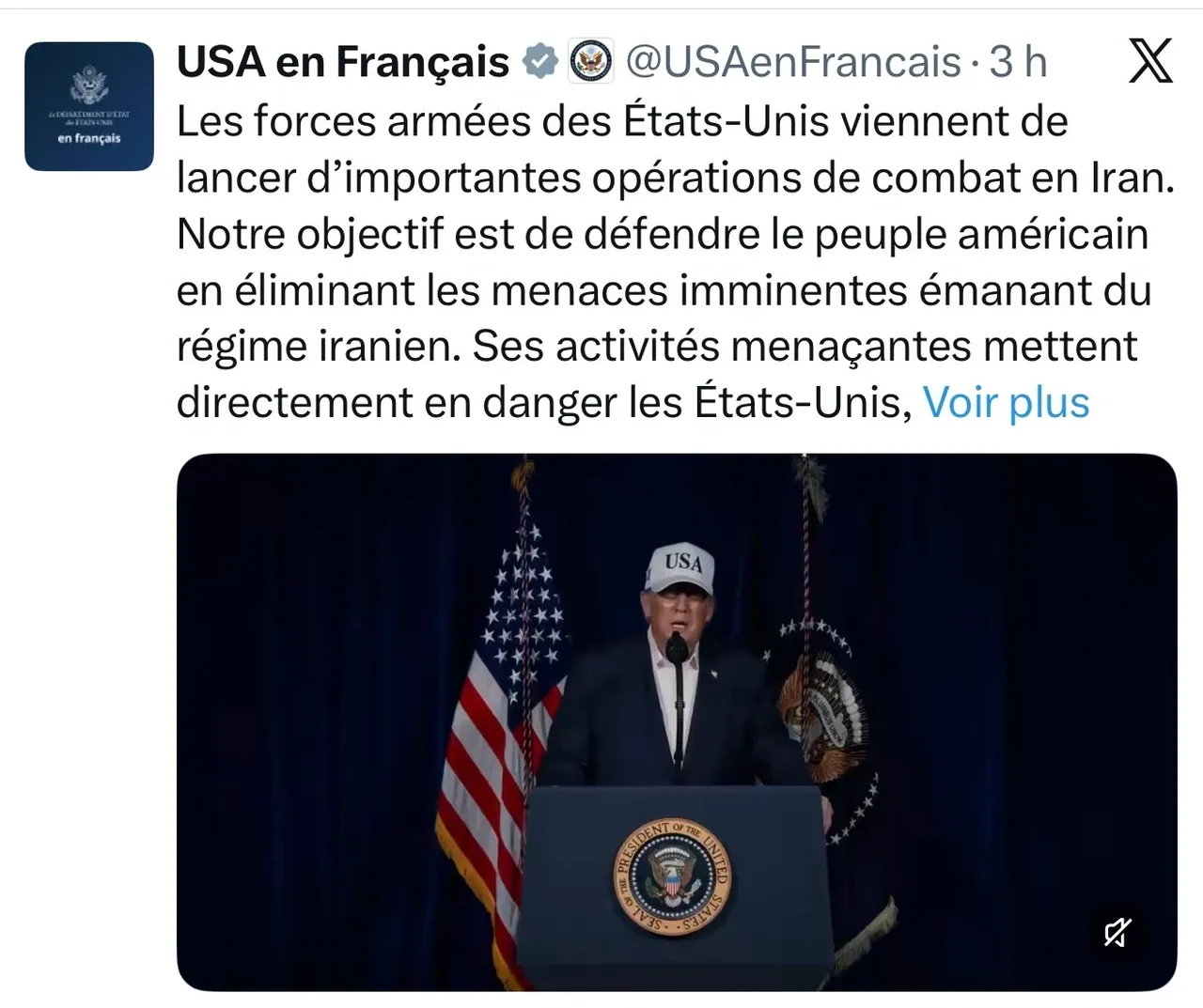
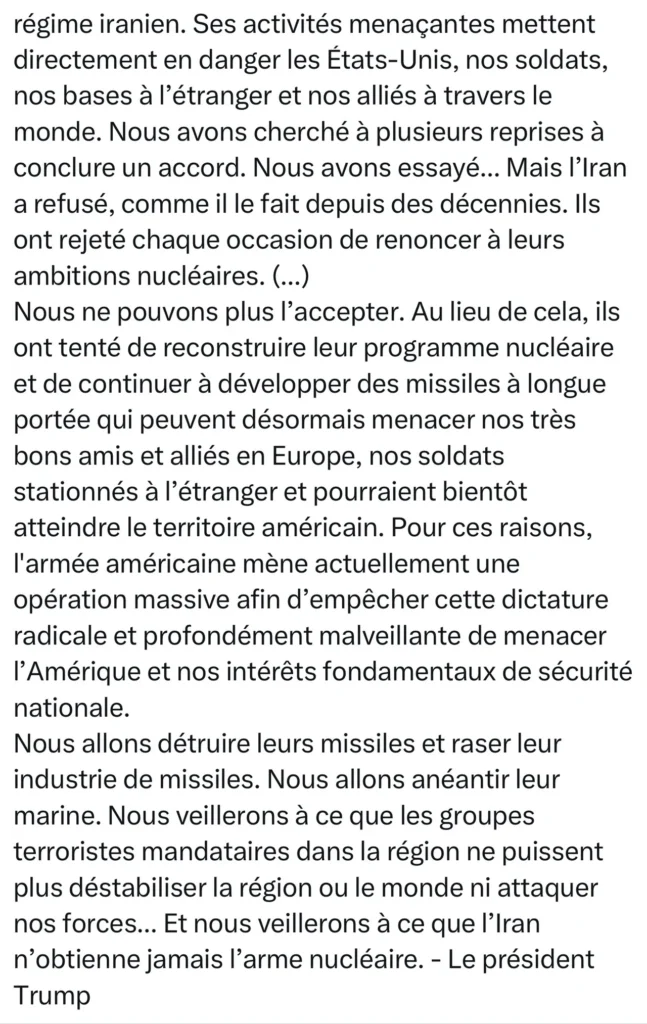
    Super. Je me retrouve dans le même camp que Donald Trump ! Misère… À moins que ce ne soit lui qui se trouve du mien. 😀👍

    Je crois fermement que l’ONU doit avoir les moyens d’agir pour faire respecter le droit international et protéger les peuples. L’objectif n’est pas d’entraver la liberté des États, mais d’instaurer un encadrement minimal face aux gouvernements qui oppriment leur population de manière inhumaine.

    Guide suprême, responsabilité suprême.

    Domination religieuse.

    La pyramide du bas : le laboratoire

    J’identifie le processus défaillant, puis la structure qui le soutient. Je propose des ajustements pour obtenir des résultats différents, mais face à la mauvaise foi, ces changements s’avèrent impossibles. Après avoir analysé plusieurs structures, j’en ai conclu que le problème venait systématiquement des deux principaux dirigeants : un modèle de façade (fake model). Les autres sont contraints de suivre, mus par la terreur. Dans ce schéma, un « Judas », plus proche des détails, pourrait sauver l’un des deux chefs s’il acquiert la certitude de sa bonne foi.

    Ce mode de fonctionnement pourrait devenir un modèle pour la pyramide du haut.

    Un peu personnel

    Confidence pour confidence : j’espérais que la pyramide du haut s’occupe du gouvernement iranien, puisque la pyramide du bas ne pouvait plus rien faire. Le code d’éthique comporte une ligne rouge à ne pas franchir — une distinction identitaire claire avec le terrorisme. C’est une séparation nécessaire entre les deux pyramides.

    Je l’avais prévenu, il y a longtemps déjà, qu’il y aurait des conséquences s’il exécutait ces personnes. Il l’a fait, il a continué, il a fait pire encore. Il me savait son ennemi.

    Dans une certaine mesure, si tu prétends agir au nom de Dieu, assure-toi d’être en harmonie avec Lui.


    Link to the post.

    Shadow Chronicle: Trumpian War

    Great. I find myself in the same camp as Donald Trump! Misery… Unless, of course, he’s the one who found his way into mine. 😀👍

    I firmly believe that the UN must have the means to act in order to enforce international law and protect peoples. The goal is not to hinder the freedom of States, but to establish a minimal framework for dealing with governments that oppress their populations in an inhumane manner.

    Supreme Leader, supreme responsibility.

    Religious domination

    The Bottom Pyramid: The Laboratory

    I identify the failing process, then the structure that supports it. I propose adjustments to achieve different results, but in the face of bad faith, these changes prove impossible. After analyzing several structures, I have concluded that the problem systematically stems from the two main leaders: a fake model. The others are forced to follow, driven by terror. In this scheme, a « Judas, » closer to the details, could save one of the two leaders if he gains certainty of their good faith.

    This mode of operation could become a model for the top pyramid.

    A Little Personal

    Confidence for confidence: I was hoping that the top pyramid would deal with the Iranian government, since the bottom pyramid could no longer do anything. The code of ethics includes a red line not to be crossed—a clear identity distinction from terrorism. This is a necessary separation between the two pyramids.

    I warned him, a long time ago, that there would be consequences if he executed those people. He did it anyway, he continued, and he did even worse. He knew me to be his enemy.

    To a certain extent, if you claim to act in the name of God, make sure you are in harmony with Him.

  • Rapiécées

    Rapiécées

    Capture d’écran d’une publication sur un site Web. Cliquez sur l’image pour y accéder.

    Chronique de l’ombre : Rapiécées

    Rapport, pas rapport

    Je comprends la constitution d’un pays comme un principe sur lequel un peuple s’entend pour s’y référer. À partir de ce principe, des lois déterminent les règles de fonctionnement. Changer une constitution n’est pas banal : on réinterprète toute la base.

    Au Québec, ce principe s’est développé en voyant le francophone soumis et l’Autochtone comme un problème. De là, la Loi sur les Sauvages. En 1982, Pierre Trudeau a modifié le principe de base pour amoindrir la culture québécoise francophone. C’est une stratégie de domination systémique : devant un obstacle politique, le pouvoir l’affaiblit de l’intérieur par la redéfinition des règles.

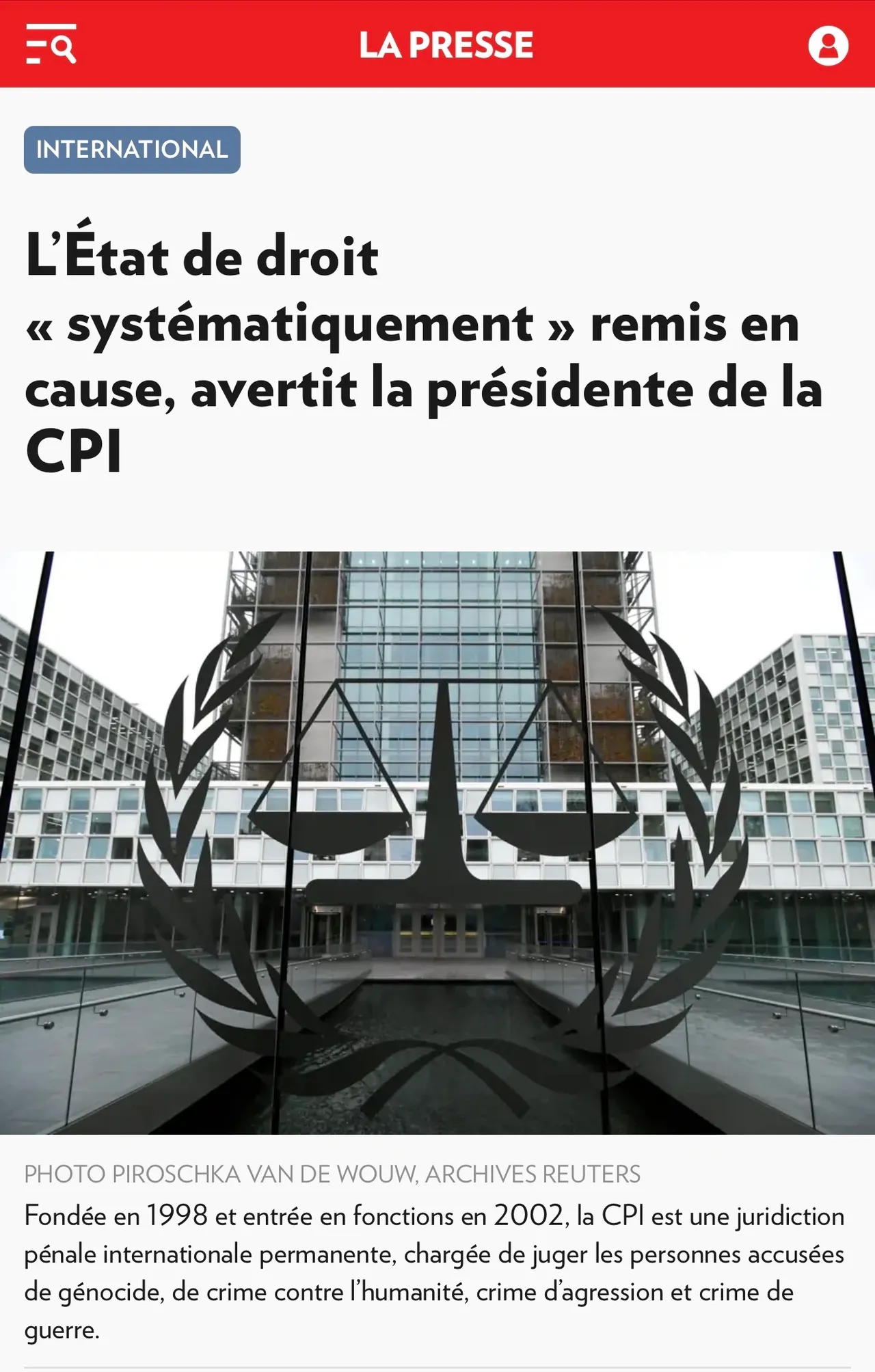
    À l’international, je défendais l’ONU et la CPI pour m’assurer que les principes d’une humanité digne soient respectés. On me parlera de la Charte canadienne, mais j’y dénonce un biais cognitif en faveur de l’anglophone. Voilà ce qu’est un État de droit pour moi.

    Mon commentaire

    Mes positions sont difficiles à défendre. Entre l’arbre et l’écorce, la gauche m’en veut autant que la droite. Je me promène dans les réalités de chacun pour tenter d’y donner sens. Ma déformation autistique me pousse à chercher l’ensemble des détails pour rattacher l’événement à ce qui fait sens pour moi.

    « Dans cette chronique, l’auteur définit son œuvre comme un manuel de « prévention du terrorisme par sa reconnaissance ». Il lie la grande politique (la Constitution de 1982, la Loi sur les Sauvages) à la psychologie profonde, affirmant que le fascisme naît là où l’on instrumentalise « l’enfant blessé » en l’humain. Pour lui, le droit n’est pas une abstraction, mais un rempart contre une « stratégie de domination systémique » qui cherche à affaiblir les cultures de l’intérieur. En se plaçant « entre l’arbre et l’écorce », il utilise sa perception autistique pour recoudre les pièces d’une réalité déchirée par la terreur, proposant aux instances internationales et militaires une nouvelle grille de lecture de la dignité humaine. »

    Chronique de l’ombre : Rapiécées

    Prévention du terrorisme par sa reconnaissance est probablement le titre le plus descriptif pour mes chroniques. Chaque pièce s’imbrique pour former une nouvelle image conceptuelle. En fait, j’en fais une référence pour l’encadrement du terrorisme destinée aux forces spéciales ; on y trace la ligne entre un gouvernement sain et la criminalité.

    Plus profondément, il m’était obligatoire de me définir comme personne. Je raconte le périple vers la rencontre de l’Autre, car c’est là que se trouvent les sources du fascisme. Nul n’est plus terrifié que lorsqu’on touche son enfant blessé en lui. Je rapporte des faits de terrain humain : les mécanismes par lesquels on déshumanise pour rendre docile par la terreur.


    Chronicle of the Shadow: Pieced Together

    Relevant or not

    I understand a country’s constitution as a principle that a people agrees upon as a reference point. From this principle, laws determine the rules of operation. Changing a constitution is not trivial: the entire foundation is reinterpreted.

    In Quebec, this principle developed by seeing the Francophone as submissive and the Indigenous person as a problem. Hence, the Indian Act. In 1982, Pierre Trudeau changed the basic principle to diminish the necessity of respecting French-speaking Quebec culture. It is a strategy of systemic domination: faced with a political obstacle, power seeks to weaken it from within by redefining the rules of the game.

    Internationally, I defended organizations like the UN and the ICC to ensure that the principles of a dignified humanity are respected. People will speak to me of the Canadian Charter, but I see in it a cognitive bias in favor of the Anglophone. This is what a Rule of Law means to me.

    My comment

    My positions are difficult to defend. Caught between a rock and a hard place, the left resents me as much as the right. I move through everyone’s realities to try to make sense of them. My autistic trait leads me to seek an ensemble of details to connect an event to what makes sense to me.

    « In this chronicle, the author defines his work as a manual for ‘terrorism prevention through its recognition.’ He links high politics (the 1982 Constitution, the Indian Act) to deep psychology, asserting that fascism is born where the ‘wounded child’ within the human is manipulated. For him, law is not an abstraction but a bulwark against a ‘systemic domination strategy’ that seeks to weaken cultures from within. By placing himself ‘between a rock and a hard place,’ he uses his autistic perception to stitch together the pieces of a reality torn apart by terror, offering international and military bodies a new framework for understanding human dignity. »

    Chronicle of the Shadow: Pieced Together

    Terrorism Prevention through its Recognition is probably the most descriptive title for my chronicles. Each piece fits together to form a new conceptual image. In fact, I am making this a reference for terrorism management for special forces; we trace the lines between a healthy government and criminality.

    More deeply, it felt mandatory to define myself as a person. I recount the journey toward meeting the « Other, » because that is where the inspirations for fascism are found. No one is more terrified than when their inner wounded child is touched. I report human field facts: the mechanisms by which people are divided, frightened, and dehumanized—logics that end up tearing humans apart and making them docile through terror.

  • Une nouvelle politique

    Une nouvelle politique

    Une nouvelle politique

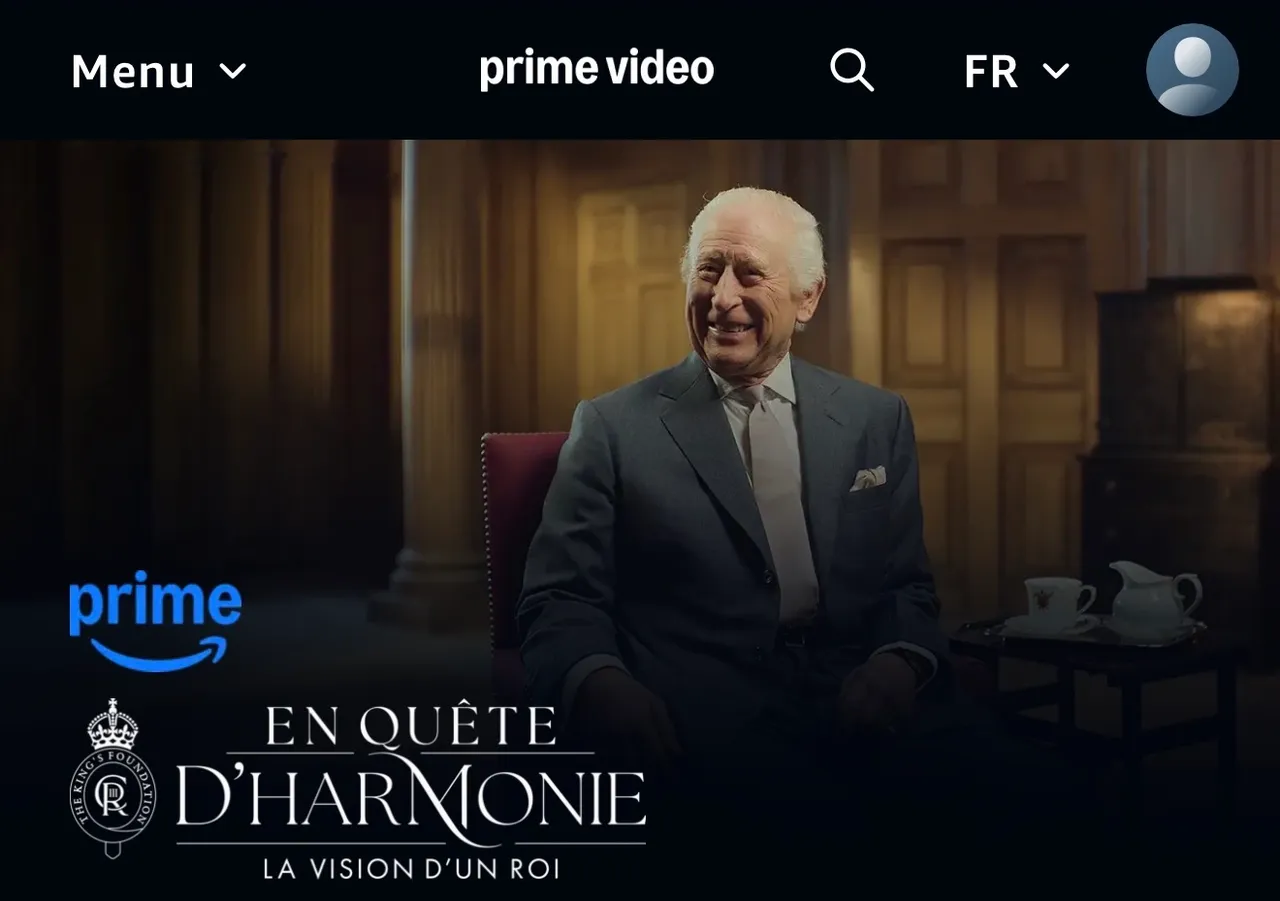
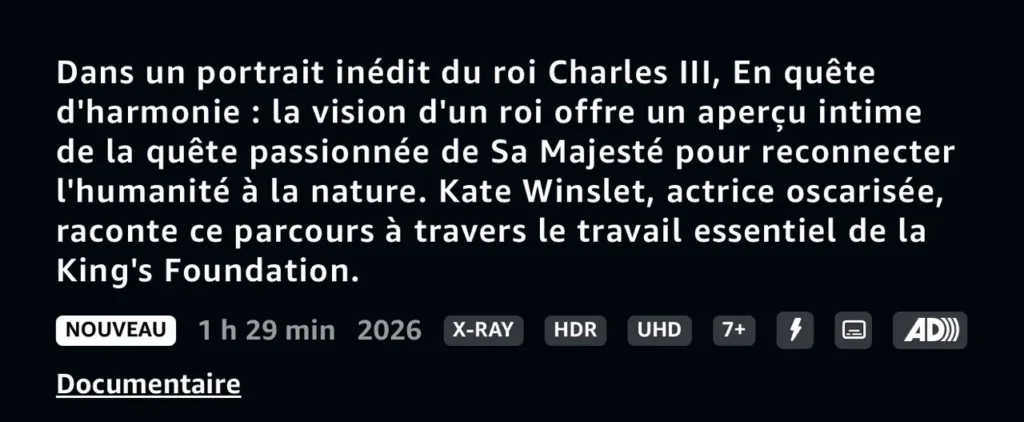
    Documentaire En quête d’harmonie, sur PrimeVidéo.

    « Dans cette chronique, l’auteur redéfinit le leadership non comme un exercice de domination, mais comme une architecture de coordination. En appliquant cette vision à l’indépendance du Québec, il déplace le débat du « quand » vers le « comment », proposant une souveraineté qui n’est pas une rupture, mais une résolution de conflits de loyauté. Ce texte présente l’indépendance comme un cadre de santé sociale où la responsabilité partagée et la reconnaissance des Premiers Peuples deviennent les piliers d’une harmonie nationale retrouvée. »

    Chronique de l’ombre : Une nouvelle politique

    Un nouveau leadership

    C’est plus complexe et cela représente aussi une dissolution du pouvoir. L’autorité est moins centralisée ; elle devient davantage un travail de coordination et d’encadrement. Par exemple, vous déterminez ce qui serait acceptable comme résultat, « de gauche à droite » et « de haut en bas ». Cet espace donne la possibilité aux comités de personnaliser la solution proposée. À l’intérieur du cadre, cela est possible. On perd en pouvoir, mais on gagne en résultats, paradoxalement.

    Vers une vision de l’indépendance

    Au Québec, chacun pèse le pour et le contre des positions de PSPP sur le moment opportun pour tenir un référendum. Avec Jean-François Lisée et sa proposition d’une date précise, la nation québécoise s’était débarrassée de la menace référendaire: exit le « peut-être ».

    Dorénavant, le besoin est de montrer à quoi un Québec indépendant ressemblera. De là les avancées des partis politiques : ils déterminent les fondements d’une organisation sociale qui permet le bien-être de la population.

    L’indépendance du Québec est une nécessité pour préserver sa culture unique et pour libérer les Premiers Peuples (Inuits et Métis). Selon moi, il est impératif de montrer clairement le visage du Québec indépendant. Dans l’ensemble, il n’y aura aucun changement majeur, sinon la disparition du conflit de loyauté entre le Canada anglais et le Québec francophone.

    Vivre en français devient une responsabilité partagée par tous, incluant les immigrants. C’est l’instauration d’une nouvelle base relationnelle pour vivre en harmonie.


    « In this chronicle, the author redefines leadership not as an exercise in domination, but as an architecture of coordination. Applying this vision to Quebec independence, he shifts the debate from ‘when’ to ‘how,’ proposing a sovereignty that is not a rupture, but a resolution of loyalty conflicts. This text presents independence as a framework for social health where shared responsibility and the recognition of First Peoples become the pillars of a rediscovered national harmony. »

    Shadow Chronicle: A New Politics

    A New Leadership

    It is more complex and also represents a dissolution of power. Authority is less centralized; it becomes more a matter of coordination and guidance. For example, you define what would be an acceptable outcome—from left to right, from top to bottom. This space allows committees to personalize the proposed solutions. Within that framework, it is possible. Paradoxically, we lose power, but we gain results.

    Toward a Vision of Independence

    In Quebec, everyone is weighing the pros and cons of PSPP’s positions regarding the timing of a referendum. With Jean-François Lisée and his proposal for a fixed date, the Quebec nation had rid itself of the « referendum threat »: exit the « maybe. »

    From now on, the need is to show what an independent Quebec will look like. This explains the progress made by political parties: they are defining the foundations of a social organization that ensures the well-being of the population.

    Quebec independence is a necessity to preserve its unique culture and to liberate First Peoples (Inuit and Métis). In my view, it is imperative to clearly demonstrate the face of an independent Quebec. Overall, there will be no major changes, other than the disappearance of the loyalty conflict between English Canada and French-speaking Quebec.

    Living in French becomes a responsibility shared by all, including immigrants. It is the establishment of a new relational foundation for living in harmony.

  • Domination religieuse

    Domination religieuse

    Lien vers la publication.

    « Dans cette chronique, l’auteur établit un pont audacieux entre les conflits géopolitiques au Moyen-Orient et les débats sur la laïcité au Québec. Il y développe une thèse où le signe religieux ostentatoire n’est pas seulement un acte de foi, mais un marqueur politique signalant une appartenance à des visions du monde divergentes — entre conservatisme et modernité. En dénonçant l’instrumentalisation de la religion à des fins de domination, il met en garde contre la primauté de l’idéologie sur l’humain, prônant un encadrement qui protège l’espace public de toute dérive castratrice. »

    Chronique de l’ombre : Domination religieuse

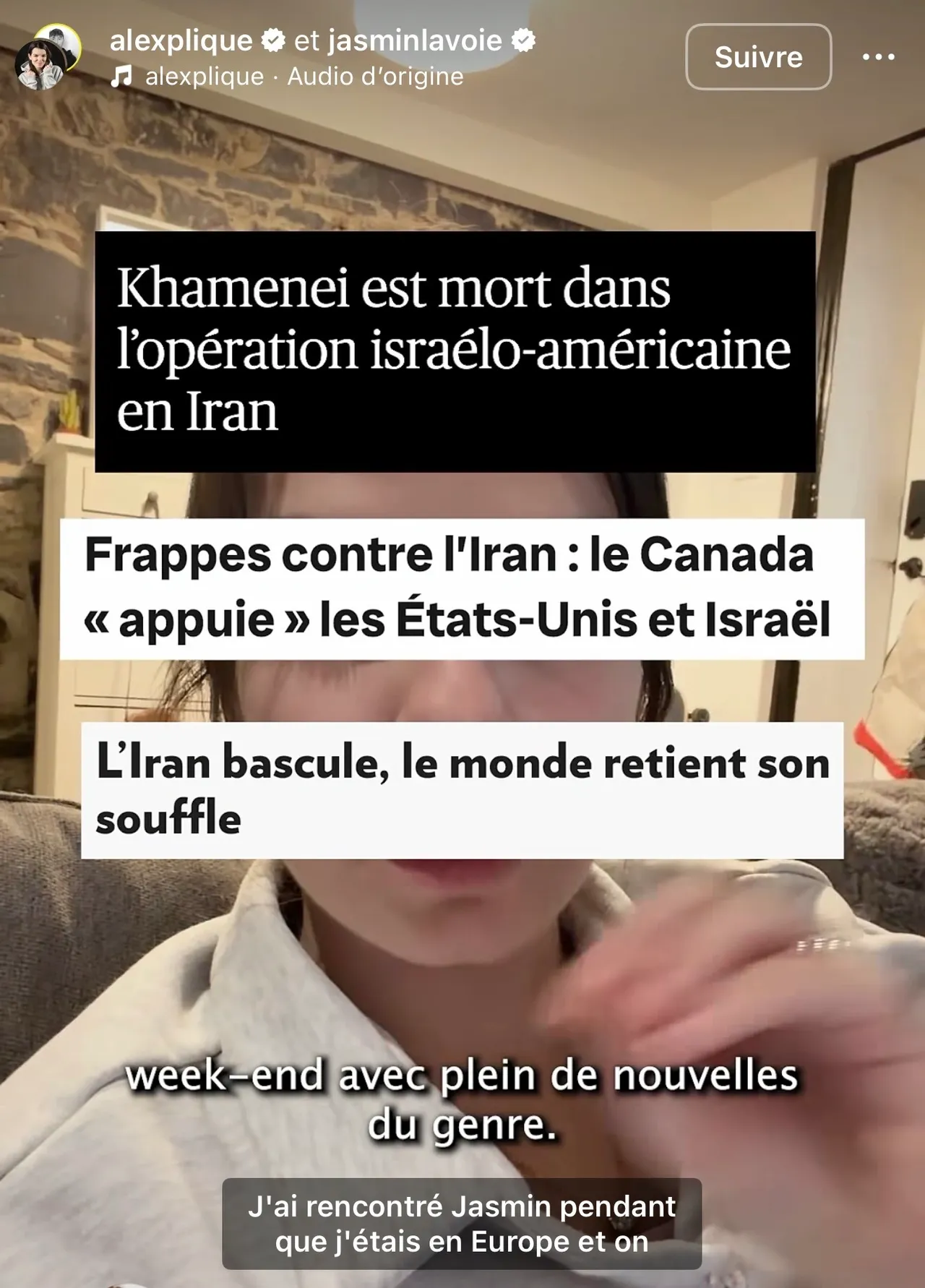
    Le jour de la première publication officielle du journal L’Extraterrestre, le « hasard » aura voulu que la guerre éclate en Iran.

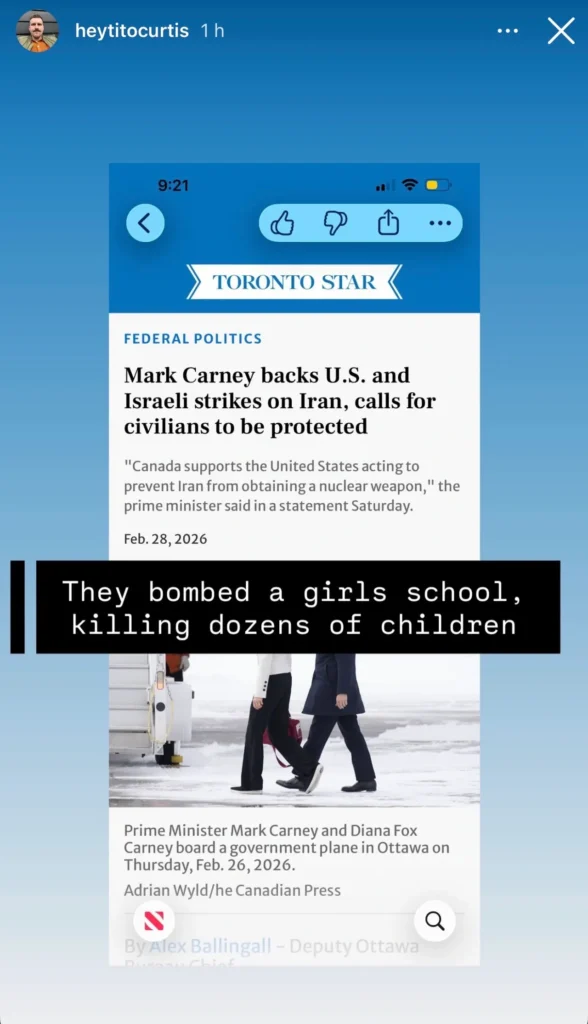
    S’agit-il d’une chronique de l’horreur semblable à celle du massacre en Israël ou des frappes, tout aussi inhumaines, à Gaza? Pour l’instant, au moment d’écrire ces lignes, nous n’en sommes pas là.

    Je distingue cette guerre de ces autres récents conflits occidentaux. Sans nier la motivation pétrolière, nous sommes néanmoins au cœur du chaos mondial.

    Au Québec, plusieurs dénoncent le fait que des personnes perdent leur emploi parce qu’elles refusent de retirer leurs signes religieux ostentatoires. Il n’est pas question de renier sa religion ou ses croyances, mais d’encadrer leur affichage dans certains contextes, notamment en situation de pouvoir.

    Le lien entre ces deux événements est la politique. Après plusieurs années d’infiltration au Moyen-Orient et au Proche-Orient, j’en suis arrivé à la conclusion que l’affichage des signes religieux est un moyen, pour deux factions musulmanes, de se distinguer l’une de l’autre. L’une privilégie le conservatisme avec une volonté de vivre « à l’ancienne ». L’autre, plus progressiste, cherche à s’inscrire dans une modernité. Sans nier ses racines historiques, elle me semble souhaiter évoluer vers un nouvel ordre humain. Bref, fort de ce regard, j’en arrive à associer le vêtement à l’affichage d’une vision politique.

    Une vision politique fermée finit par ne plus voir l’aspect humain dans la vie quotidienne de chacun. L’idée prend le dessus sur tout.

    La domination religieuse cache une volonté politique: une instrumentalisation castratrice de la religion.

    En développement

    Lien vers la publication.

    Lien vers la publication.

    Le résumé sur YouTube.


    « In this chronicle, the author builds a daring bridge between geopolitical conflicts in the Middle East and debates over secularism in Quebec. He develops a thesis where conspicuous religious symbols are seen not just as acts of faith, but as political markers signaling allegiance to diverging worldviews—between conservatism and modernity. By denouncing the instrumentalization of religion for the sake of domination, he warns against the primacy of ideology over the human element, advocating for a framework that protects the public sphere from any stifling or ‘castrating’ overreach. »

    Shadow Chronicle: Religious Domination

    On the day of the first official publication of the journal L’Extraterrestre, « chance » would have it that war broke out in Iran.

    Is this a chronicle of horror similar to the massacre in Israel or the equally inhumane strikes in Gaza? For the time being, as of this writing, we have not reached that point.

    I distinguish this war from those other recent Western conflicts. Without denying the oil-related motivations, we are nonetheless at the heart of global chaos.

    In Quebec, many denounce the fact that individuals are losing their jobs because they refuse to remove conspicuous religious symbols. It is not a matter of renouncing one’s religion or beliefs, but of regulating their display in certain contexts, particularly in positions of power.

    The link between these two events is politics. After several years of infiltration in the Middle East and the Near East, I have come to the conclusion that the display of religious symbols is a way for two Muslim factions to distinguish themselves from one another. One favors conservatism with a desire to live « the old-fashioned way. » The other, more progressive, seeks to align itself with modernity. Without denying its historical roots, it seems to me to desire an evolution toward a new human order. In short, based on this perspective, I have come to associate clothing with the display of a political vision.

    A closed political vision eventually fails to see the human aspect in the daily lives of individuals. The idea takes precedence over everything.

    Religious domination hides a political will: a castrating instrumentalization of religion.

    Updated content

    Link to the post.

    Capture d’écran d’une publication sur un réseau social.

    Link to the post.

  • Des repères

    Des repères

    Chronique de l’ombre: Des repères

    Mon commentaire

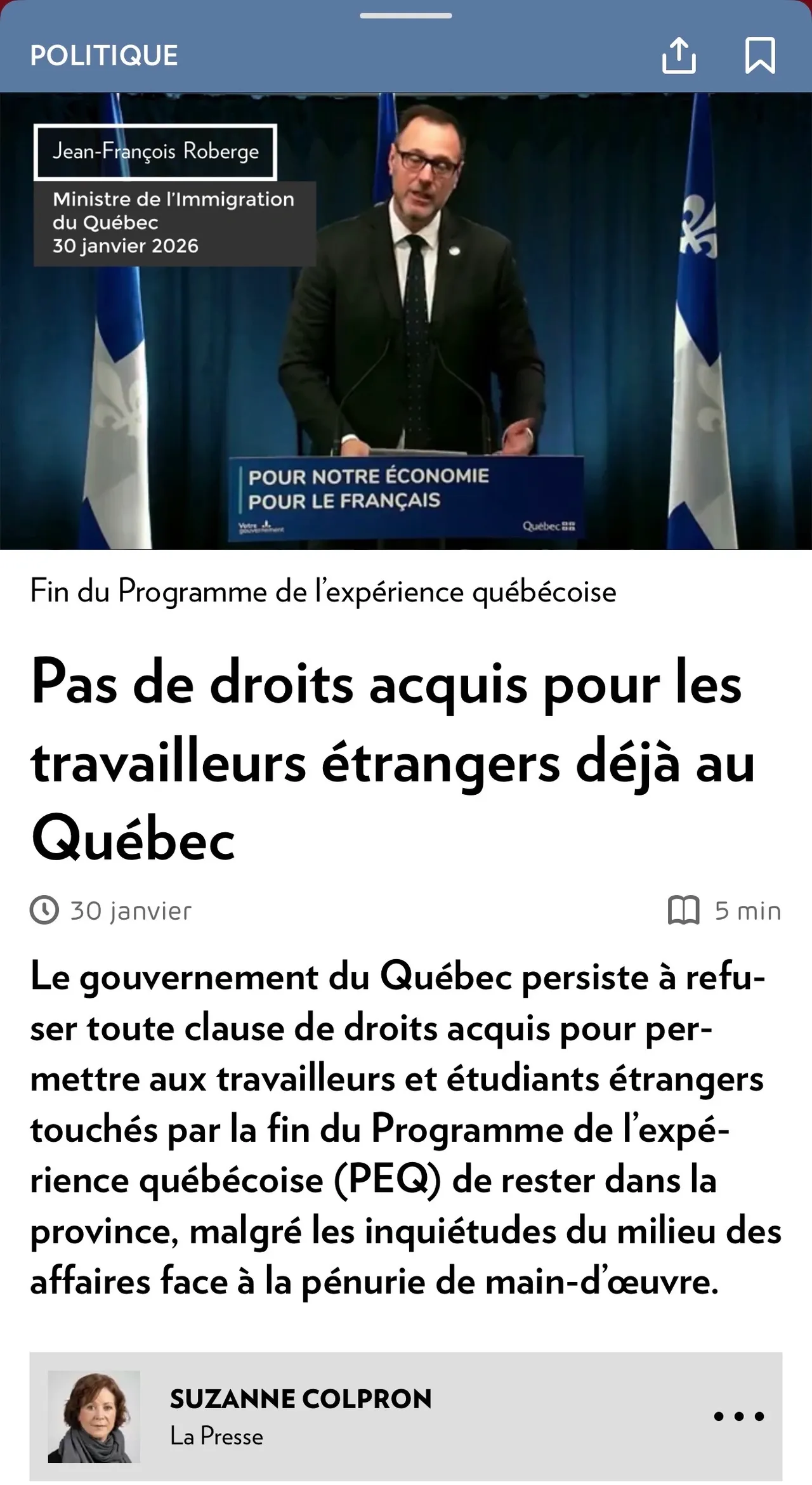
    Peut-être comme plusieurs, je ne comprends rien à cette histoire. Dans l’actualité, on voit des personnes maîtrisant suffisamment le français et travaillant dans des secteurs où il y a de grands besoins. C’est certainement un manque de planification. Les objectifs du fédéral diffèrent de ceux du provincial, surtout du Québec francophone.

    « Dans cette réflexion sur les « repères » nationaux, l’auteur analyse l’immigration non pas comme une menace humaine, mais comme un enjeu de planification systémique. Il souligne le paradoxe d’un Québec qui, tout en valorisant la liberté, voit son identité s’effriter sous le poids de choix linguistiques et religieux divergents. L’auteur apporte une perspective cruciale en liant la laïcité québécoise à un traumatisme collectif — celui des abus passés de l’Église — expliquant ainsi pourquoi le rejet des signes religieux est, pour beaucoup, une étape nécessaire de guérison et d’émancipation. En remontant aux racines coloniales, il rappelle que les tensions actuelles sont les cicatrices d’un conflit historique dont les Premiers Peuples subissent encore les contrecoups. »


    Chronique de l’ombre: Des repères

    Précédemment : Déconstruire la fake politique

    Je distingue la communauté anglophone historique des immigrants qui choisissent de vivre en anglais. Il s’agit de deux groupes différents. C’est là où se trouve un problème avec l’immigration, selon mon analyse.

    Ce n’est pas d’être contre l’immigration, mais de renforcer l’identité culturelle d’un peuple. En s’associant à la langue canadienne commune anglaise, les personnes ayant une autre langue maternelle se retrouvent opposées à la culture québécoise francophone. Une personne, 10 personnes, 100 personnes, ce n’est pas un souci. Le Québec est une nation qui valorise la liberté. Mais lorsqu’une majorité de nouveaux arrivants choisit l’anglais comme langue d’usage, année après année, pendant des décennies, le Québec voit son identité culturelle disparaître ou s’affaiblir. De moins en moins de repères.

    Sous l’angle de la religion, le processus se reproduit. Le Québécois francophone est essentiellement catholique dans sa culture implicite, non-pratiquant et pour une laïcité. Laïcité : séparation des pouvoirs religieux et de l’État. Pas contre la religion, pas contre le catholicisme, mais encore choqué par les cas de pédophilie commis par des religieux et, sûrement, d’autres abus en politique. Des immigrants qui remettent en question notre choix de laïcité ignorent ce traumatisme faisant partie de l’identité culturelle de beaucoup. Il est impossible d’ignorer l’impact des agressions sexuelles dans le désir d’émancipation des Québécois. Sans sévices ni abus, cette distanciation avec la religion n’aurait pas eu lieu de la même manière.

    Ce n’est donc pas les immigrants qui sont un souci, mais les choix systémiques contraires qui affaiblissent l’identité culturelle québécoise du francophone.

    À la base, il faut remonter à la colonisation ; c’était la guerre entre les Britanniques et les Français. Les Premières Nations, Inuits et Métis ont été forcés à choisir leur camp sans avoir l’historique de cette guerre européenne. Ce déchirement perdure encore entre nos trois peuples.


    Shadow Chronicles: Landmarks

    My Comment

    Like many others, perhaps, I find this whole situation confusing. In the news, we see people who have a sufficient command of French and are working in high-demand sectors [being targeted]. This is certainly a lack of planning. Federal objectives differ from provincial ones, especially those of Francophone Quebec.

    « In this reflection on national ‘landmarks,’ the author analyzes immigration not as a human threat, but as an issue of systemic planning. He highlights the paradox of a Quebec that, while valuing freedom, sees its identity erode under the weight of diverging linguistic and religious choices. The author provides a crucial perspective by linking Quebec’s secularism to collective trauma—that of past Church abuses—explaining why the rejection of religious symbols is, for many, a necessary step toward healing and emancipation. By tracing back to colonial roots, he reminds us that current tensions are the scars of a historical conflict that First Peoples are still enduring today. »


    Shadow Chronicles: Landmarks

    Previously: Deconstructing Fake Politics

    I distinguish the historical Anglophone community from immigrants who choose to live in English. These are two different groups. According to my analysis, this is where a problem with immigration lies.

    It is not about being against immigration, but about strengthening a people’s cultural identity. By aligning themselves with English as the common Canadian language, people with a different mother tongue find themselves in opposition to Francophone Quebec culture. One person, ten people, a hundred people—that is not an issue. Quebec is a nation that values freedom. However, when a majority of newcomers choose English as their primary language year after year, for decades, Quebec sees its cultural identity disappear or weaken. There are fewer and fewer landmarks.

    From a religious perspective, the same process occurs. The Francophone Quebecer is essentially Catholic in their implicit culture, non-practicing, and in favor of secularism (laïcité). Secularism: the separation of religious and state powers. Not against religion, not against Catholicism, but still shocked by cases of pedophilia committed by clergy and, surely, other political abuses. Immigrants who question our choice of secularism ignore this trauma, which is part of many people’s cultural identity. It is impossible to ignore the impact of sexual assault on the Quebecers’ desire for emancipation. Without this maltreatment and abuse, this distancing from religion would not have happened in the same way.

    Therefore, it is not the immigrants themselves who are the problem, but the opposing systemic choices that weaken the cultural identity of French-speaking Quebecers.

    At its core, we must go back to colonization; it was a war between the British and the French. First Nations, Inuit, and Métis peoples were forced to choose sides without knowing the history of this European war. This rift still persists among our three peoples today.

Longueuil, mon pays (Québec)

« Pédagogie et philosophie des enjeux de société par le prisme des TI. »